

Nutritional Guidance

Elevated Ferritin: Iron Overload or a Broader Signal?
An elevated ferritin level does not automatically mean the body contains too much iron. Ferritin can also rise with inflammation, fatty liver, metabolic dysfunction, kidney disease, infection, or alcohol use. The most meaningful interpretation combines ferritin with transferrin saturation, liver enzymes, blood counts, symptoms, and the pattern over time. This broader view helps identify the true cause and guides treatment toward the correct underlying problem.
Published

Iodine Testing Priorities: Urine, Blood, and the Limits of Each Test
Iodine testing can be confusing because urine, blood, and thyroid markers answer different questions. This article explains when a 24-hour urinary iodine test offers the most useful view, why serum iodine mainly helps assess excess exposure, and how thyroglobulin, thyroid labs, diet, supplements, pregnancy, and medications fit together. The goal is not one perfect number, but a coherent clinical interpretation for each individual patient thoughtfully.
Published

Sip to Slim: Hydrate Before Meals to Enhance Metabolic Efficiency
💡 Did you know that drinking sixteen ounces of water approximately thirty minutes before a meal can significantly increase your metabolic rate and aid in weight management? This practice, known as pre-loading, naturally promotes satiety, which helps prevent overeating while simultaneously priming your digestion. Consistent hydration is a fundamental, evidence-based pillar that supports renal function and keeps your metabolic machinery running smoothly.
Published
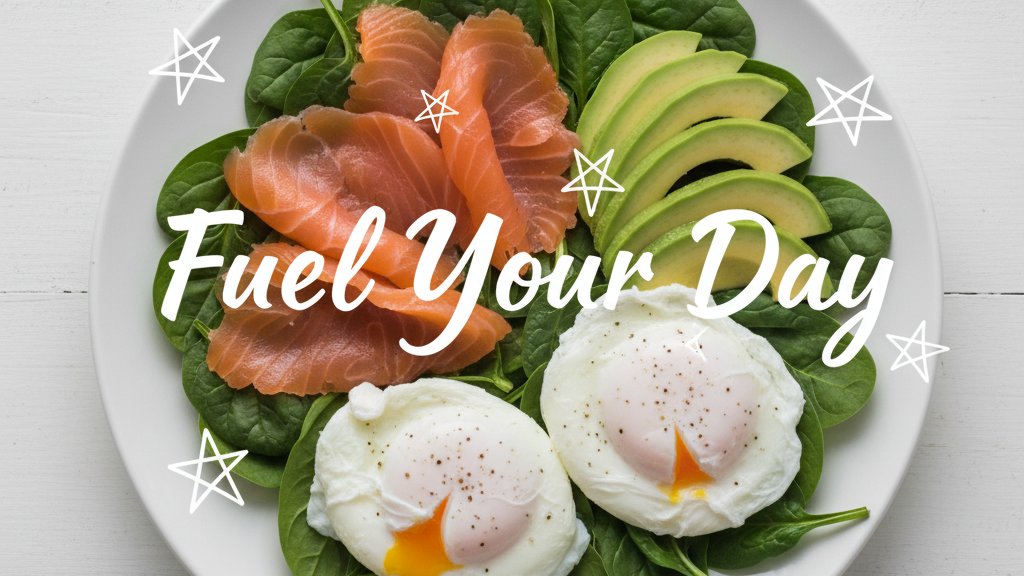
Protein First: Stabilizing Your Daily Energy
💡 Did you know that prioritizing protein in your first meal can significantly impact your metabolic health? Starting your day with a high-protein breakfast helps stabilize blood sugar levels and regulates the hormones responsible for hunger and satiety throughout the afternoon. Small, consistent shifts in your nutrition can lead to sustainable weight loss and improved endocrine function.
Published

Midlife Vitamin D and the Future of Brain Health
Midlife vitamin D levels may shape long-term brain health more than previously recognized. New research highlights a link between vitamin D and lower tau protein burden years later. This insight shifts the focus toward earlier prevention. A thoughtful, metabolic approach to vitamin D supports not only bone health, but also cognitive resilience and long-term neurological stability.
Published

Hair Loss During Weight Loss: Causes and Prevention
Weight loss improves cardiometabolic health, yet some individuals experience unexpected hair shedding several months later. This article explains why telogen effluvium occurs during rapid weight loss, how common it is, and why women report it more often than men. It also outlines practical prevention strategies including protein optimization, micronutrient monitoring, and hormonal evaluation when needed.
Published
Categorized as Insights from Dr. Tashko, Nutritional Guidance, Obesity Care, Weight Loss, Women’s Health
Reactive Hypoglycemia: When Blood Sugar Drops After Eating
Reactive hypoglycemia occurs when blood sugar drops within hours after eating. Symptoms like shakiness, anxiety, and fatigue often follow a carbohydrate-rich meal. These episodes may reflect early insulin resistance rather than simple low glucose. A thoughtful evaluation looks at patterns, insulin dynamics, and lifestyle drivers. Stabilizing glucose swings requires balanced meals, strategic timing, and improved metabolic resilience.
Published

Why Two People Respond in Opposite Ways to the Same Diet
Two people follow the same diet with equal discipline, yet their results move in opposite directions. Why? The answer lies in physiology. Insulin resistance, lipid metabolism, hormones, muscle mass, sleep, and medications all influence dietary response. Understanding metabolic context allows for personalized nutrition rather than rigid ideology. A broader endocrine and cardiovascular lens reveals why biology, not willpower, drives outcomes.
Published
Categorized as Insights from Dr. Tashko, Lipid Health, Metabolic Care, Nutritional Guidance, Obesity Care
How Oats Lower Cholesterol Through the Gut Microbiome
This recent randomized study shows that oats lower cholesterol through more than fiber alone. Gut microbes transform oat phenolic compounds into active metabolites that directly influence LDL cholesterol. The findings explain why oat responses vary between individuals and why dose and dietary context matter. This research reframes oats as a microbiome active food with meaningful metabolic impact.
Published

Fish Oil and Heart Risk in Hemodialysis Patients
Omega 3 fatty acids are essential nutrients with powerful anti-inflammatory effects. A major NEJM trial now shows that fish-oil supplementation significantly reduces cardiovascular events in patients receiving hemodialysis. This patient-focused summary explains how omega 3 works, why dialysis patients face extreme heart risk, and how targeted supplementation may offer meaningful protection when few therapies exist.
Published

Refined Sugars and the Rise of Small LDL Particles
Refined sugars raise blood sugar, drive insulin resistance, and increase harmful small LDL particles. These dense cholesterol particles slip into artery walls, fueling heart risk. Even with normal cholesterol, patients may face hidden danger. Discover how advanced lipid testing and smarter diet choices uncover risks and lower cardiovascular burden for lasting health.
Published

Elemental Diet for Gut Healing
The elemental diet offers the gut a chance to rest while still meeting nutritional needs. By supplying amino acids, MCT fats, and simple sugars absorbed early in the small intestine, it helps reduce bloating, inflammation, and bacterial overgrowth. Often lasting one to three weeks, it may support patients with SIBO, IBS, Crohn’s disease, or malabsorption as part of comprehensive, individualized care.
Published