


Dr. Tashko’s Key Clinical Trials

Once-Weekly Insulin, Efsitora: A Life-Changing Breakthrough for Type 2 Diabetes
Imagine a world where managing type 2 diabetes means fewer injections and less daily stress. Efsitora offers that possibility. While the trial didn’t prove efsitora to be better than degludec, the fact that it’s just as good with fewer injections is a victory in itself.
Published

Prostate Cancer Screening with PSA and MRI: A Four-Year Journey of Hope and Change
Prostate cancer is a word that strikes fear into the hearts of men. The idea of finding out too late—or even worse, facing unnecessary treatments—is something no one wants to think about. But what if we could screen for it in a better way? A recent study has shed light on a new approach, combining PSA testing and MRI scans, that could make screening for prostate cancer not only smarter but also less invasive.
Published

Quality Over Quantity: The Role of HDL in Women’s Cognitive Health
This study suggests that not all HDL is created equal. For women in their early 50s, the goal should be improving HDL quality, not just raising HDL cholesterol levels. Optimizing specific HDL metrics may help prevent cognitive decline as we age.
Published

Breaking New Ground: Liraglutide Offers Hope for Childhood Obesity in Kids Under 12
The SCALE Kids study showed that liraglutide helped children aged 6 to under 12 with obesity reduce their BMI when combined with lifestyle changes like better eating and more exercise. Children taking liraglutide had better results than those who took a placebo, with many achieving meaningful weight loss.
Published
Categorized as Child Health, Dr. Tashko’s Key Clinical Trials, Drug Information, GLP1 agonist, Obesity Care
Beyond Cholesterol: Predicting Long-Term Heart Risks in Women
This landmark study emphasizes the importance of a multifaceted approach to cardiovascular risk assessment in women. By considering not only cholesterol but also inflammation and genetic factors, healthcare providers can identify women at high risk and implement personalized preventive strategies. This could lead to earlier detection and treatment of heart disease, ultimately saving lives.
Published
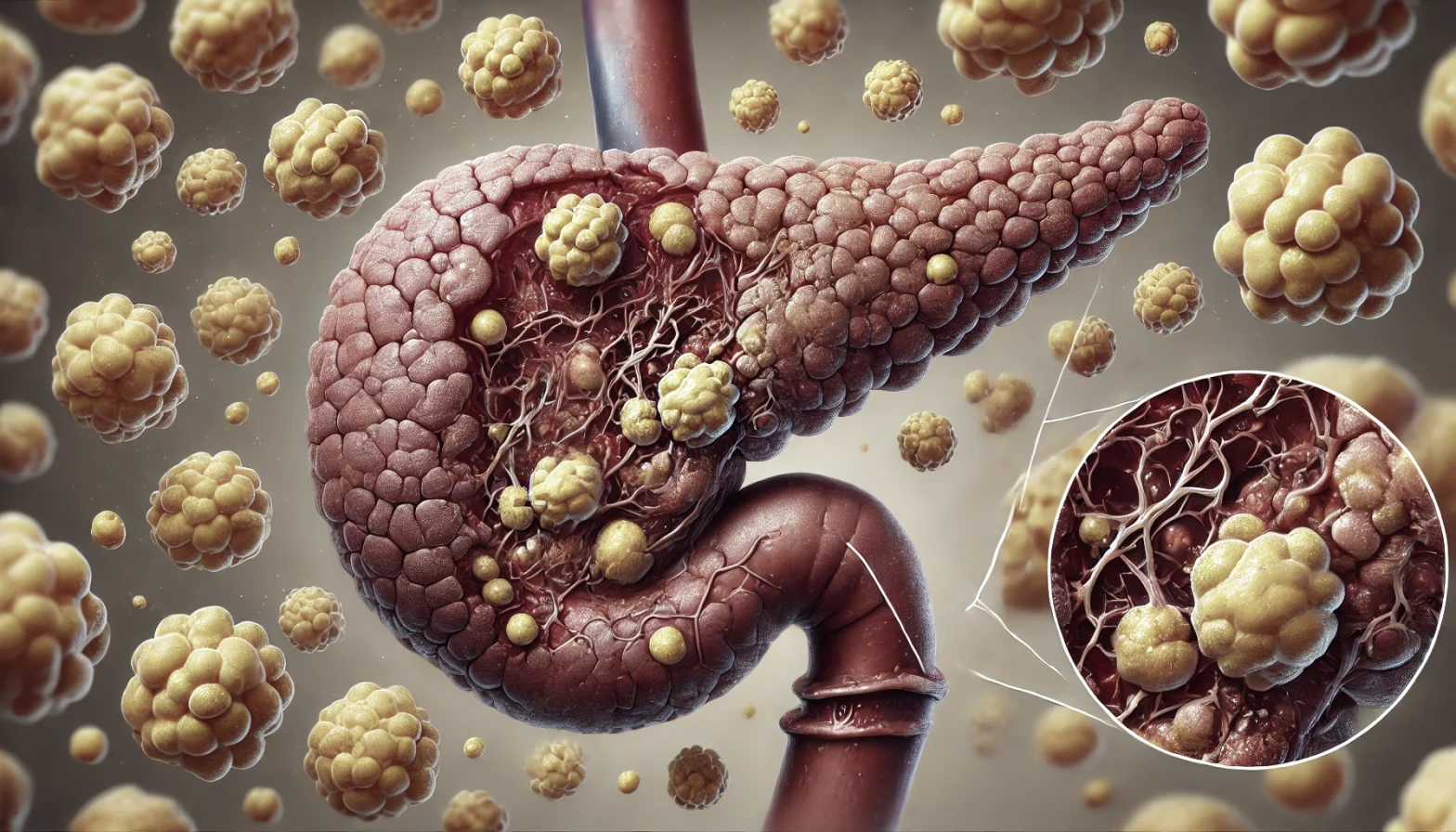
Plozasiran: A New Hope for Patients with Persistent Chylomicronemia and the Risk of Pancreatitis
The New England Journal of Medicine recently published the results of the PALISADE trial, a phase 3 study that investigated the efficacy and safety of plozasiran in managing persistent chylomicronemia and reducing the risk of pancreatitis. The results were remarkable, demonstrating a significant reduction in triglyceride levels and, crucially, a marked decrease in the incidence of acute pancreatitis in patients treated with plozasiran.
Published
Categorized as Dr. Tashko’s Key Clinical Trials, Drug Information, Genetics, Lipid Health, Pancreas Health, Triglycerides
CAH Redefined: Crinecerfont and the Journey Toward Safer Treatments
Here, I provide a brief summary of the CAHtalyst study. It examines Crinecerfont’s effects in lowering glucocorticoid doses and adrenal androgen production in patients with congenital adrenal hyperplasia. Crinecerfont works by blocking the corticotropin-releasing factor type 1 receptor (CRF1-R) in the pituitary gland.
Published

Tirzepatide: A Dual Solution for Obstructive Sleep Apnea and Obesity
Obstructive sleep apnea (OSA) is characterized by disordered breathing during sleep and is associated with significant cardiovascular complications. Excess body fat, or adiposity, is a primary risk factor for OSA. The SURMOUNT study explores the potential of tirzepatide (branded as Mounjaro or Zepbound) as a treatment for OSA in obese individuals through two phase 3, double-blind, randomized, controlled trials.
Published

The SYNERGY Study on Tirzepatide: A Game-Changer for MASH Treatment
Metabolic dysfunction–associated steatohepatitis (MASH), formerly called nonalcoholic steatohepatitis (NASH), is a severe liver disease. MASH involves fat buildup, liver inflammation, and cell injury, often leading to fibrosis. With rising obesity and type 2 diabetes, MASH cases are growing globally.
Published

FLOW Study Highlights: How Semaglutide Improves Outcomes in Diabetes and CKD
Here, I provide a brief summary of the FLOW study on semaglutide’s effects in patients with type 2 diabetes and chronic kidney disease. This study highlights the benefits of semaglutide in reducing the risks of kidney failure, cardiovascular events, and death. We will delve into the key findings and results published in the New England Journal of Medicine in May 2024.
Published

BALANCE Study Findings: Olezarsen’s Potential in Treating Familial Chylomicronemia Syndrome
Olezarsen is an investigational drug that tackles triglycerides by blocking the production of apolipoprotein C-III (apoC3). ApoC3 normally hinders the liver’s ability to remove triglycerides from the blood. By reducing apoC3, Olezarsen allows the liver to work more effectively, lowering triglyceride levels. This can significantly reduce the risk of pancreatitis, a dangerous condition caused by high triglyceride levels in the blood.
Published
Categorized as Dr. Tashko’s Key Clinical Trials, Drug Information, Genetics, Lipid Health, Pancreas Health, Triglycerides
STEP Study: Semaglutide’s Impact on Heart Failure, Obesity, and Type 2 Diabetes
Semaglutide benefits obesity-related heart failure in type 2 diabetes, improving symptoms and aiding weight loss. The STEP trial evaluated the effects of semaglutide (Ozempic or Wegovy) 2.4 mg weekly in participants with heart failure, obesity, and type 2 diabetes. Patients received either semaglutide or placebo for 52 weeks.
Published